Monday, February 2, 2015

Early Christian


I really enjoyed learning about the Early Christian period because I thought it was really cool how many of their structures during these time period were so connected to religion. I was able to relate to much of the information that went behind these creations.

"The decline of Rome and the Rise of Christ" was an important factor to look at when discussing  The Early Christian period, which was from 330-800. Although we see the decline of the Roman period, form and style continued on throughout Early Christian dress, paintings, sculpture, and furniture. Another element that was passed done from the Romans was two architectural forms: the straightforward basilica and the centrally planned domed space.

Centrally planned domed space

 
Straightforward Basilica


Many of the various elements that went into these structures were because they wanted to represent the cross on which Jesus was crucified. Early Christian started around Western Europe. This is important while we begin looking into the Byzantine period. Although the Early Christian period was located around Western Europe, we see Early Christian churches throughout Europe, the Middle East and North Africa. 


Sant' Apollinare in Classe, Ravenna is an example of a Early Christian church. We talked and watched a video about this structure in class, and I was completely fascinating by this church. I would really like to go view this structure one day. 

There weren't many examples of furniture in the Early Christian period but we do see some pieces such as the throne and stool. Storage was the most important element in the Early Christian period. 


Still to today we see churches designed in similar ways as in the Early Christian period.

Current Applications.


We see the use of the inward shape in this modern church.


These two churches reminded me of the idea of the Centrally planned domed space.


When I was younger, I attended Catholic school (St.Sabina) and this is an image of the church we had Mass in every week. When we were studying the Early Christian period, I was able to compare this church to churches from the previous time period discussed.

Video!

https://www.youtube.com/watch?v=p17bBVA4EWA

This video is a great depiction of structures in the Early Christian period. It is detailed and displays the different parts, of the church.  


Thursday, January 29, 2015

Ancient Rome Peer Review!

I reviewed Paige S and Katie Blogs.

Paige S description on different architectural sites during the Roman period were detailed yet straight to the point. I also enjoyed viewing Paige modern applications, the apartment complex she found with its use of domes and curves was awesome. You can tell she put much thought into her current applications and they were very interesting to look at.

I also reviewed Katie's blog. I really enjoyed Katie's image of the inside view of the Coliseum, I personal didn't research a image like that, and it was just interesting to see how it looked on the inside. I also enjoyed her attention to furniture throughout this period.

Wednesday, January 28, 2015

Ancient Greek Peer Review

Peer Review!

Micah
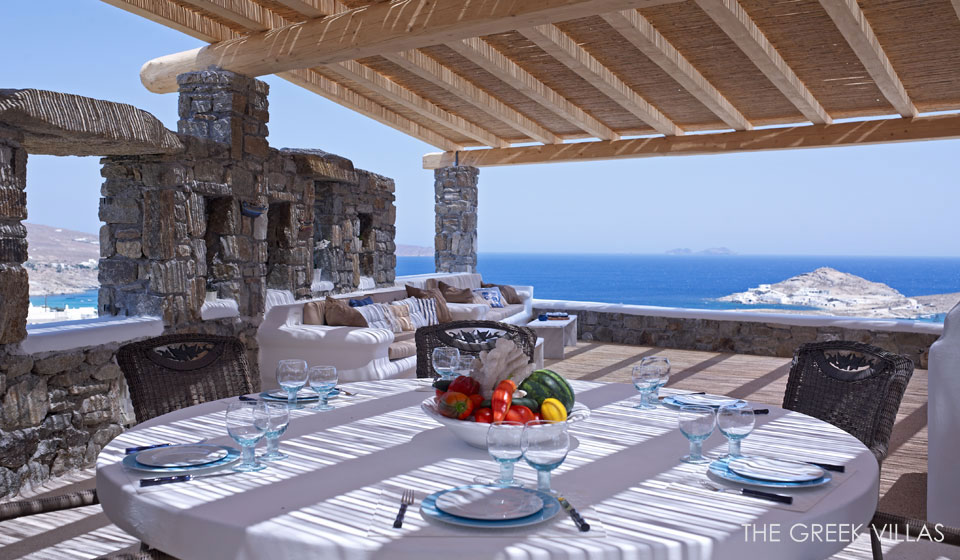
Micah current applications were awesome. She compared ancient Greece to today great, my favorite was the bathroom with Greek style mural, including Greek key pattern that she showed.

Haley Hofman
From reading Haley H blog I enjoyed her explanations of Greek civilization and the structure of it. She explained that the Greek period was not interested that much in a hierarchy society, but they are more about, "the worth of an individual and democracy".


Ancient Rome


Inspired by Greece, Rome art and design came about in around 753 B.C.E. Although much of Romes designs were inspired by Greece, they took that design period and moved into a new direction. While Greece had the invention of the columns and post-and-lintel, the Romans discovered the arch. Rome can also be noted for a new material, concrete. Throughout this period we see the creation of many breathe taking environments:the Colosseum and the Pantheon.

The Colosseum can be compared to a sports arena. It was constructed of concrete and stone, and used the arch and barrel vault. The Colosseum held at least 50,000 seats for gladiator fights and other cultural events.


The Pantheon, which was one of Romes"greatest geographic expanse". The temple faces north and a standard front that gives no indication of the shape of the building behind it, which was a round temple with a dome. The doors are amazing and still to today the original bronze doors and there. Much detail was put into this structure and each design element works together, to create a beautiful structure that is still being seen today.


Ancient Rome is also known for its designs of residential dwellings. Similar to Greek, Roman houses were located at the center of the courtyard. There were three styles of residential dwellings: Insula, Domus, and Villa.

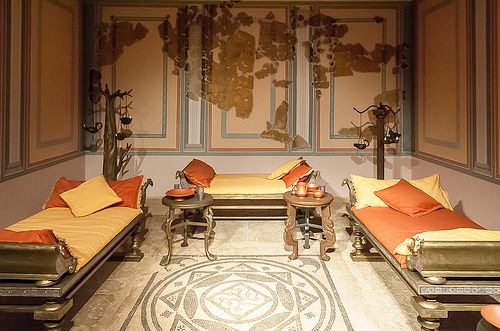
More elaborate then Greek furniture, Roman furniture included tables, beds, chairs, and stools. The couch was Romes masterpiece and was used as a bed for sleeping. Material such as wood, metal and stone.

Learning about Ancient Rome was enjoyable and comparing it to previous periods was interesting to see how everything evolved over time.


Current Application:

After learning about Ancient Rome, I can definitely see the comparison to today. With the invention of the couch which is our modern day bed, the Roman period is were we see today's foot and headboard. We also see acres used in numerous ways today. 


Video!

https://www.youtube.com/watch?v=h61BZ-O9Wuo
This video I watched gave a great depiction of Ancient Rome. They go through Rome as a whole and show great visuals, of the culture and the different aspects of Rome. 


Tuesday, January 27, 2015

Ancient Greek


The history of Greece was an amazing one. There was multiple periods such as the Bronze Age(3000-1000B.C.E), the Minoan Period(3000-1400B.C.E.), and the Mycenean Civilization(1600-1100B.C.E). The Mycenaean which was the mainland and the Minoan Crete were ancient to ancient Greece.The most important structure throughout these periods was the palace. 

The Palace of Knossos was the most important palace on Crete. 

The mainland where civilization took place was known as the Mycenae. One interesting element of Ancient Greece was the columns. Columns were inverted and distinctive to this civilization. Some characteristics of Greece included their amazing temples. "The development of the Greek temple was another way of forging a common identity".

Temple of Hera

Three styles of columns were included in the temple structure, the Doric, Ionic, and the Corinthian. 


Greek domestic of Greece interiors and decorations were beautiful. These interiors included plastered and painted floors, which consisted of mosaic techniques (pebbles, glass, stone). Walls were also plastered with mud bricks.

Furniture throughout this period included materials such as leather and cords. Inlay was gold, ivory and gems. Copper, bronze, iron, and wood was also materials used. Seat furniture included thronos, klismos, kline, and diphros. 


I really enjoyed studying this period because of the different shapes and patterns that are seen throughout the exterior and interior of the structures. 


 Current Application:


Video!

http://www.history.com/topics/ancient-history/ancient-greece

This video gives a great depiction of ancient Greece.


Monday, January 26, 2015

Ancient Egypt

Egyptian history can be characterized by its colorful traits and impressive monuments. The period of the Egyptians was divided into three different periods, the Old Kingdom, the Middle Kingdom, and the New Kingdom. Egypt was the center of the Niles and it made it easier for them to gather large amounts of stone. Due to there abundance of stone and their strong centralized power, Egyptians monumental architecture had many achievements.

Around 5200 B.C.E, Egyptians started practicing agriculture. They formed small villages where many items were discovered such as: flint blades, grain pits and animal bones.

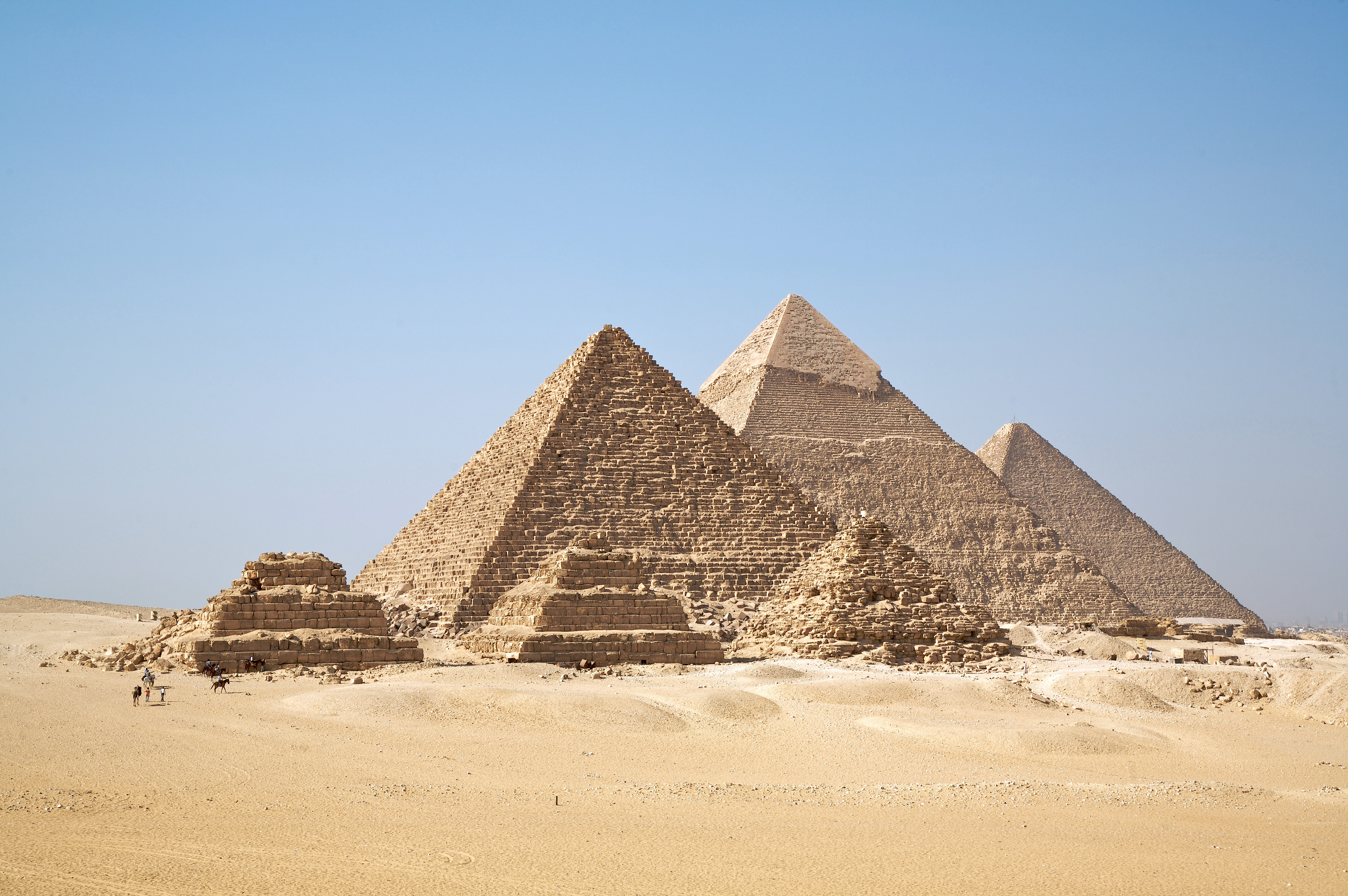
As stated before the Egyptian period was divided into multiple monuments. The Old Kingdom which was the age of pyramid.


The Middle Kingdom was the period where pharaohs paid more attention to building and outfitting the great Pylon temples. 


The New Kingdom was "the age of Egyptian art and architecture, an age of prosperity and considerable architectural and achievements."

There was many materials used throughout this period such as: the lotus blossoms, papyrus reeds, mud, brick, wood and stone.

While reviewing Ancient Egypt, I find their floor plans such as the craftsman's residence and country villa very interesting because of the way that laid everything out.  

Egypt Interior Architecture and Decoration can be characterized by its hierarchical status, its plaster and mural paintings. They also can be characterized by their columns which were made of sandstone. Their flooring was made of mud plaster or brick with subdued colors. Their walls were applied with plaster to mud or brick, they painted on wet plaster. Also they they used more intense colors. Some other elements of Egypts' interior were their crowned cornice doors and their openwork screen windows. 

Egypt furniture was influenced by religion and familiar objects. Furniture pieces included seating (stools, chairs, mortise/tenon joints, dovetail joints, and dowels), tables, beds, storage pieces and decorative artifacts. 


After reviewing and researching Ancient Egypt, I was interested in comparing it to modern times.


Peer Review!

I read Alexandra and Emma blogs. I really enjoyed how they both described and broke down, the different aspects of Ancient Egypt. Their descriptions were detailed and very easy to understand. 

Video!

http://www.history.com/topics/ancient-history/ancient-egypt


Saturday, January 17, 2015

Prehistoric


"Prehistoric refers to the period of human existence before the availability of those written records with which recorded history begins. More broadly, it can be refer to all the time preceding human existence and the invention of writing."

Throughout the prehistoric period included styles of antiquity, which included Egypt and Greece, to name a few. We see many influences on primitive homes, such as the Arctic regions which included the igloo, and the Sahara desert which included Matmata underground homes.

I really enjoy studying this period because of the creativity seen throughout. From the caves and huts, to the pattern and designs seen throughout. The individuals who were in this period used much thought to create some very unique environments. 

Furniture was rarely used and materials were mainly stone and wood for its durability. The pattern and designs depicted consisted of weaving and patterns that were strictly ornamental. There was much thought that went into colors, patterns, and design, to represent their society, tribal latalities and religion. 


Current applications: 


This reminded me of the Skara Brae we used in class because in many ways it was based of the idea of family and community. In this image we see the use of a stone fire place with basketweave chairs.


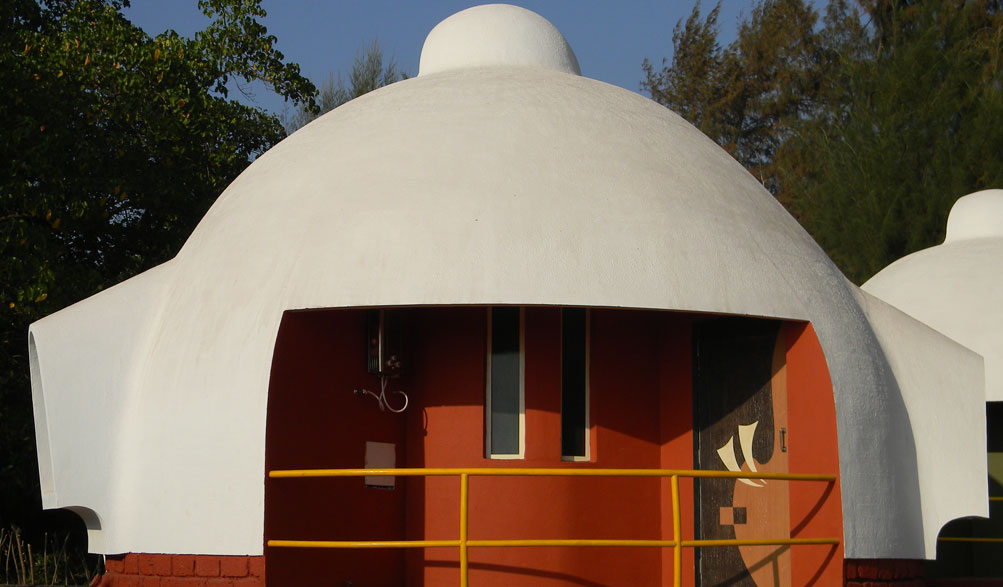
Similar to the igloo from the Artic region, this home gives a igloo from from its shape and design.


The use of stone and wood throughout this interior is similar to the materials the prehistoric period used. In this image we also see the use of the post and lintel.

Overall I really enjoyed learning the background of the prehistoric period!